
Courtroom etiquette and professionalism: tips for lawyers on pre-trial matters
Updated: April 2026
Courtroom etiquette is more than tradition. It is effective advocacy, strategy and professionalism. While the law provides the framework for advocacy in the courtroom, the way lawyers conduct themselves affects their reputation and shows their professional maturity.
This eNews shares some of the tips about dealing with pre-trial matters that lawyers in BC’s Interior Region heard from judges in the Judges and Juniors program described in a November eNews.
Interior judges work to improve lawyers’ professionalism and rebuild collegiality
"The guiding principle is respect."
Respect the process
- When appropriate, be present in-person for your client.
- Use time wisely. Courtroom downtime does not have to be a waste of your time. Use it purposely: speak to the other side to see if you can resolve your matter or reduce the number of issues, watch experienced counsel, review materials, or read legal texts and newsletters.
- Stay current and know the law: go beyond legislation by reading case law and legal texts and newsletters (including this Court’s eNews articles).
- Watch experienced lawyers in some of the virtual hearings that are accessible province-wide to learn best practices for appearing remotely.
Subscribe to the Court's eNews
Respect the clock
- Arrive early. Check the court list, locate your client and witnesses and prepare for last-minute issues. Notify the court in advance and then apologize if you are unavoidably delayed. Judges notice habitual lateness or non-attendance and there can be consequences.
- Return from breaks early. Do not depend on being paged.
- Avoid the "culture of complacency" about delays. Embrace a culture of purpose. Do not create “churn” with meaningless appearances. Court appearances are not a Bring Forward system. Make every appearance meaningful in advancing the case. When adjournment is necessary, request a realistic time and use it productively.
- Unless it is a first appearance, do not attend court without making a reasonable effort to discuss the matter with the opposing lawyer beforehand. Explore plea resolutions, or in family and civil cases consider out-of-court resolutions and admissions.
- Consider scheduling a meeting with the opposing lawyer immediately after the first appearance.
Respect the pre-trial conference
- Both parties’ lawyers should attend pre-trial conferences fully instructed and prepared to consider reasonable admissions and discuss resolution. It is frustrating for clients, other parties and judges when agents are sent who are not in a real position to engage meaningfully or make decisions on behalf of their clients. Lawyers’ full participation promotes efficiency, professionalism, and effective use of court resources.
- Pre-trial conferences should never be the first time you speak to the other lawyer(s) about trial issues. Use the Pre-trial conference checklist (CRIM 12) (PCR969a) and Pre-trial conference checklist - sexual offences (CRIM 12) (PCR969b) on the Criminal court forms web page.
- After a pre-trial conference, summarize in writing what was discussed and agreed. Providing a clear written summary to the other side ensures that all parties have a common understanding of the issues, timelines, and next steps. This promotes accountability, prevents misunderstandings, and maintains a record of the commitments made at the conference.
CRIM 12 Criminal Pre-Trial Conferences
Respect judicial case managers (JCMs)
- judicial case managers are judicial officers. Treat them with respect.
- In communications with them include the file name, number, and registry; trial length, scheduling factors, and available dates; any unique aspects of the case, like a fatality, relocation, school start dates, child witnesses, etc.
- Always copy opposing counsel and “Reply All” when emailing a judicial case manager.
- Provide realistic time estimates.
- Notify the judicial case managers immediately if there is an indication that your case may not go ahead. They will appreciate and remember this. They can also inform the judge so they need not prepare for a matter that will be adjourned.
- judicial case managers are busy and not a general information service. Look up appearance dates, contact details, and relevant links online or obtain them directly from the registry.
How to behave when you appear before a judicial case manager
Respect the virtual courtroom
- Treat virtual appearances as you would in-person appearances.
- Dress as you would in a courthouse.
- Prepare your client to maintain focus. Remind them that it is a regular courtroom, so no gum, food, or drinks.
- Avoid appearing by telephone. Use a laptop or desktop computer and ensure your client also attends by video.
- Ensure a neutral, quiet background and proper lighting. Sit up.
- Avoid appearing from your vehicle. If you must, stop driving, and use a green screen.
- Mute when not speaking.
- Avoid multitasking. The judge will notice and it is very distracting.
- Be concise. Attention spans are shorter during virtual hearings, and clarity matters more than ever. Prepare your arguments in advance and deliver them in a focused, organized manner. Supplementing your oral submissions with a brief written outline can enhance understanding and retention.
- Use verbal signposts to structure your argument. For example, “I have three reasons why the claim should be dismissed: first…; second…; and third…” A clear structure makes your argument easier to follow and more persuasive.
Access Policy including the rules for remote listening or participation
Raising the bar for lawyers and litigants attending Provincial Court remotely
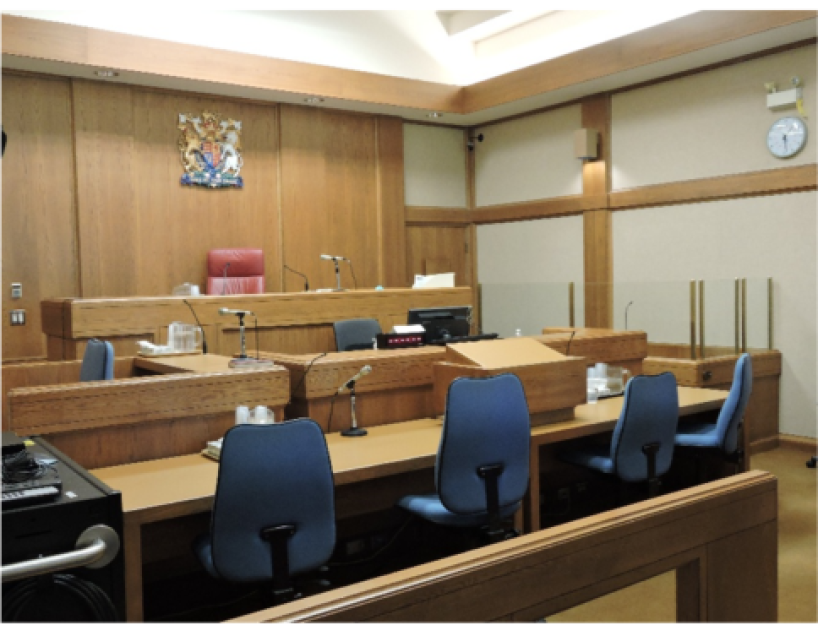
Respect the physical courtroom
- Dress respectfully and advise your client on dress. Avoid distractions like logos or pictures on garments.
- Turn off phones, including vibrations, before entering a virtual or physical courtroom.
- Do not record proceedings.
- Remain attentive. Judges notice everything.
- Keep conversations short and quiet.
- Avoid casual comments about sensitive matters near courtrooms.
- No food or coffee in the courtroom. Water only.
Respect seating protocol
- If space allows, lawyers should sit in front of the bar while waiting. Otherwise, wait in the gallery. Give the clerk a note if you must step out when your case is likely to be called.
- Traditionally the lawyer for the applicant or claimant sits on the right side of the courtroom as you face the judge, while the lawyer for the respondent or defendant sits on the left side. In criminal cases, defence counsel usually sits closest to the prisoner box and the Crown closest to the witness box. In an unfamiliar courtroom it is wise to ask, as local practice may be different.
- If you want your client to sit at the counsel table during a trial, ask the judge for permission. Ensure separation between your client, opposing counsel and parties. The judge may change the seating arrangements to ensure everyone is comfortable.
- If your client sits beside you at the counsel table, ensure they understand their role and do not let them assume yours.
Respect the list
- Crown counsel calls the criminal list. Judges control family and civil lists
- The King’s Counsel Act may influence order, but it does not override urgent matters.
- Be ready for last-minute shifts. Stay adaptable.
- Ask clerks procedural questions before court starts, not while it’s in session.
- If you are waiting for your matter to be called, and need to speak to another party, whisper very softly or leave the courtroom, especially for long conversations.
Respect yourself
- While professionalism and decorum are essential in court, it is equally important to respect yourself. The demands of the justice system can be taxing, and when lawyers neglect their own well-being, etiquette and composure can sometimes falter. Looking after your mental and physical health ensures that you can consistently bring patience, focus, and civility to every proceeding.
Lawyers’ conduct in routine pre-trial matters can affect their reputations as much as their advocacy in a trial. Those who are polite, organized, prepared, punctual and efficient serve their clients and contribute to a court system that works effectively.
This page was printed from:
https://provincialcourt.bc.ca/news-notices-policies-and-practice-directions/enews/17-03-2026